
CURED BERKELEY
.png)



Cancer
We're not building different drugs for each cancer.
We're finding the immune pathways that could unlock treatments across many.
The cancer immunotherapy revolution began at Berkeley, when fundamental curiosity about how immune cells are activated led to the discovery of immune checkpoint inhibitors, drugs that have cured thousands of patients with previously untreatable cancers.
However, cancer remains the second leading cause of death in the United States, accounting for more than 600,000 deaths in 2025, and many cancers still evade, exhaust, or never trigger an immune response. Berkeley isn't waiting.
Our researchers are in the lab pursuing the fundamental questions that conventional oncology hasn't answered:
How do we make sure immune cells keep fighting long enough to win?
Why do immune cells that enter tumors get switched off?
What signals would turn an immune response on in cancers that currently evade detection?
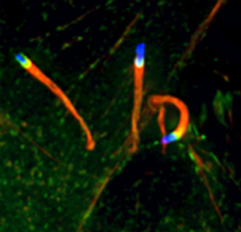
Microbe-based therapies: cyclic dinucleotides, Listeria
Goals
Existing immunotherapies transformed cancer care, but did not treat all types of cancer successfully. The ones it fails have the fewest options and the least time. At Berkeley, we're going upstream, asking fundamental questions about why the immune system sometimes fails to recognize and destroy cancer. We're investigating the signals, mechanisms, and pathways that can trigger broad tumor rejection across cancer types, learning to overcome the immunosuppressive environment tumors use to hide, and restoring the immune cells that exhaust before finishing the job. This isn't a single drug program. It's the mechanistic foundation for the next wave of cancer immunotherapy.
Key Personnel

Andrew Dillin, Ph.D.
Professor
Dept. of Molecular & Cell Biology

Michel DuPage, Ph.D.
Assistant Professor
Dept. of Molecular & Cell Biology

Thomas Mann, Ph.D.
Assistant Professor
Dept. of Molecular & Cell Biology

Daniel Portnoy, Ph.D.
Professor
Dept. of Molecular & Cell Biology
Dept. of Plant & Microbial Biology

Robert Saxton,Ph.D.
Assistant Professor
Dept. of Molecular & Cell Biology

Russell Vance Ph.D.
Professor
Dept. of Molecular & Cell Biology
What we're doing
Regulatory Cells & Proteins
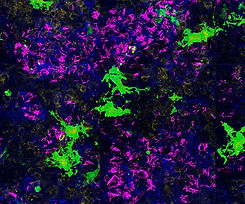
We are activating the innate immune system to help it attack and eliminate cancer. We are driving antitumor immunity using STING agonists, bacteria and bacterial components, and stress pathway activation, including the unfolded protein response and DNA damage response, that causes the immune system to attack cancers it would otherwise ignore.
Eliminating suppressive immune cells in tumors incites immune cells to attack tumors

Superkines supercharge antitumorimmunity by natural killer cells and T Cells
Activating innate immune signaling pathways overcome tumor immunosuppression (TLR ligands, STING agonists)
Microbes as Vectors of Cancer Immunotherapy

We are breaking down the walls tumors use to protect themselves. By dismantling the suppressive environment that tumors build around themselves, targeting the mechanisms that shut down CD8 T cells, CD4 T cells, and NK cells, and allow cancers resistant to conventional immunotherapy to persist, we are learning to strip away those defenses and expose cancer to the full force of the immune system.
Targeting bacteria that naturally colonize tumors as novel micro-based cancer immunotherapy
Bacteria as tumor-targeting delivery vector
Engineering bacterial starins to activate specific arms of the antitumor immune response
Cell Stress Pathways Activate Immune Responses Against Cancer
Immune cells that could kill cancer sometimes give up before the job is done. We are reversing T and NK cell dysfunction, including exhaustion and checkpoint inhibition, by modifying immune cell signaling pathways, identifying novel checkpoint inhibitors, and developing superkine therapies that sustain active immune cells against cancer over time.
Eliminating suppressive immune cells in tumors incites immune cells to attack tumors
Superkines supercharge antitumorimmunity by natural killer cells and T Cells
Activating innate immune signaling pathways overcome tumor immunosuppression (TLR ligands, STING agonists)
